
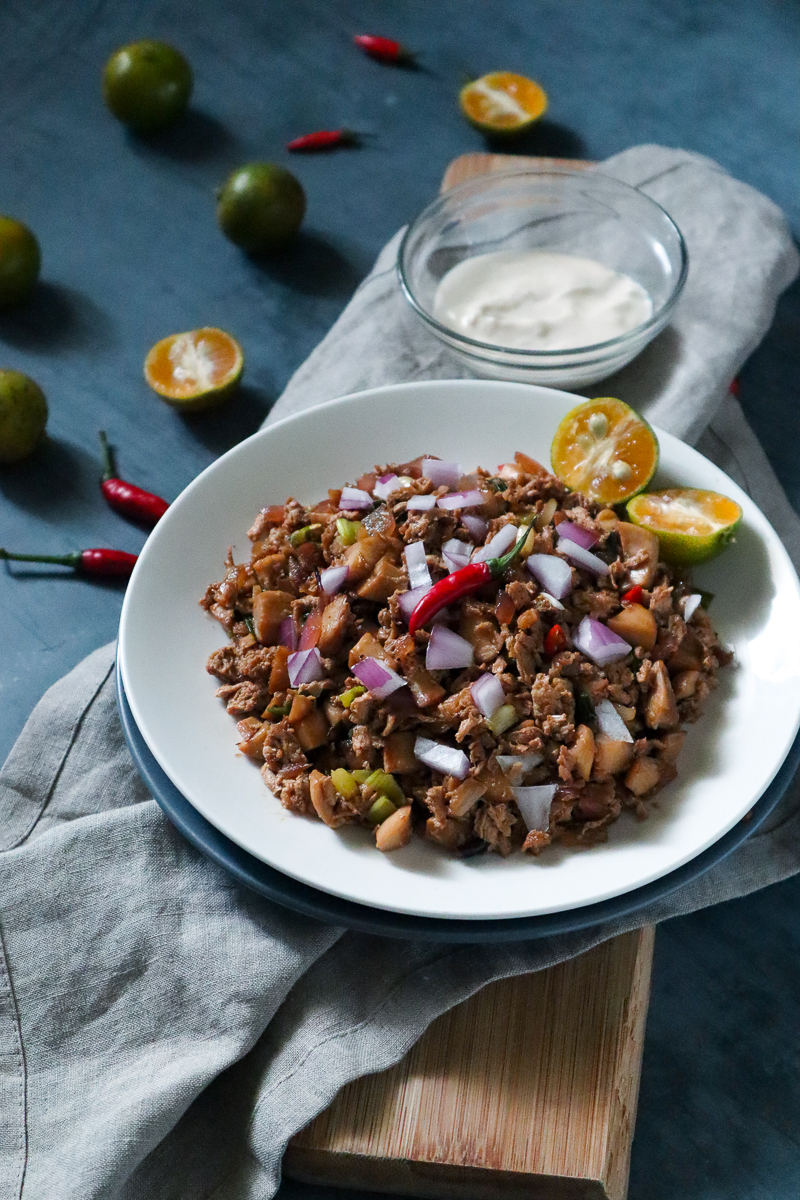
Sisig (see-sig) is a classic Filipino Kapampangan dish (or a dish that originated in Pampanga, Philippines – a region in Central Luzon). It is a delicacy, traditionally, made with pork often served on a sizzling plate and flavored with bird’s eye chili and calamansi (Philippine lime). The word sisig derived from sisigan which means “to make sour”, thus, makes calamansi one of the star ingredients of this dish.
If I am being completely honest, I did not pay much attention to sisig. I was not really a fan of pork from the beginning and it was always too fatty for me. I did, however, appreciate the spicy and tangy flavor that it delivers when I did have it on occasions. If you’ve never had sisig before, it basically hits the flavor of tangy, savory, spicy, and sweet combined. Because we Filipinos, like any dish with a little bit of sweetness.
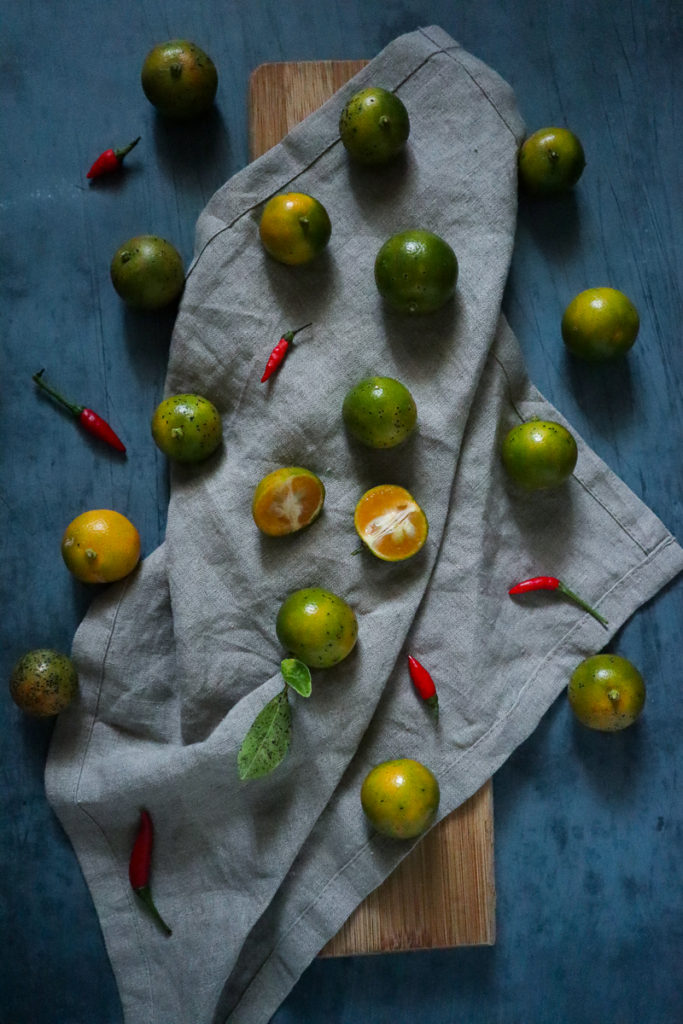
Toyo-mansi sauce
To make sure that this “veganized version” of sisig lives up to its name and, most importantly, taste – I made sure to use ingredients that were very familiar in Filipino cooking. I’m talking about the use of toyo-mansi to flavor the vegan sisig. If you are Filipino, you must know the importance of this in every dish. Toyo in English is soy sauce and mansi is short for calamansi. It’s literally soy sauce and calamansi combined. In the Philippines, they will pour that on anything with some red chili peppers. While you may live in different parts of the world that probably does not have calamansi (or only made available during a season), you can definitely substitute with lime or lemons. However, the use of calamansi in Filipino cuisines are what makes our dishes stand out. As to how Thai or Vietnamese cuisines make use of lemongrass in their dishes.
A lot of the recipes I’ve seen for Vegan Sisig calls for tofu and mushrooms – which are absolutely delicious, by the way – but I wanted to make this different and give a little more meatiness and resemble a chewy pork texture. And nothing gives that same texture as how textured vegetable shreds (or also known as TVP) has given me. They have no flavor or seasoning so you’re able to flavor it however you desire. And, of course, using my favorite: king oyster mushrooms. I only have good things to say about oyster mushrooms and how they are so perfect for any pork or chicken vegan substitutes. The combination of both feels like a traditional sisig because that’s exactly what it is – sisig is a combination of different textures of protein combined. In most cases, you will not find sisig with one particular protein, it’s always a mix.
PRO-TIPS BEFORE COOKING
- The use of bird’s eye chili and calamansi is crucial for this particular Filipino cuisine. If you don’t have access to it (or it’s difficult to find in your area), your best substitute will be the use of lemons or limes and any hot pepper of your choice.
- This is a spicy recipe, if you are not fond of spicy, you can reduce the amount of bird’s eye chili. I would recommend starting with one small piece at a time.
- Enjoy with an ice cold beverage and a side of rice. Sisig is also a happy hour side dish and you would often find these served in bars and restaurants on a hot sizzling plate.
Give this recipe a try and if you like what you see, please help me by liking this recipe or adding a comment in the comment box down below. Follow me on Instagram and don’t forget to tag me when you create recipes!
Vegan Sisig
Equipment
- sauté pan or cast iron skillet
- Mixing bowl
Ingredients
- 1 cup (80g) textured veggie shreds (or sub TVP or chopped soy curls – see notes)
- 2 large king oyster mushrooms chopped to small pieces
- ½ medium red onions diced
- 4 cloves garlic minced
- 1 tsp fresh ginger chopped
- 4 pcs bird's eye chili chopped (or lessen for non-spicy option)
- 1½ tbsp fresh calamansi squeezed
- 1 stalk green onions finely sliced
- 2 tbsp vegan butter
- 1 tbsp vegan mayonnaise (optional)
- pinch of salt & pepper to taste
FOR THE SAUCE
- 4 tbsp low sodium soy sauce (or tamari for gluten free)
- 1 tbsp organic cane sugar
- 1 tbsp cane vinegar (or any vinegar of choice)
- 1 tsp calamansi
Instructions
- Whisk all the sauce ingredients together in a small mixing bowl. Set aside until ready for use.
- Chop and prepare all ingredients as listed. For the textured veggie shreds, prepare as instructed. veggie shreds would normally come dehydrated so you will most likely need to rehydrate in hot water. Drain and press out excess liquids after rehydrating. You want to remove as much liquids as possible. For the mushrooms, chop into small bite sized pieces or into small squares. This will also help king oyster mushrooms cook faster as they are slightly firmer in texture.
- Preheat any sauté pan or cast iron skillet to medium high heat. Drop one tablespoon of vegan butter onto the pan to melt. Once your skillet is fully heated, add in the king oyster mushrooms and sauté into the butter. Sprinkle with a pinch of salt & pepper. Leave alone for 1-2 minutes to caramelize in color and shrivel up in size. Toss around once more and leave for another minute or until it is shimmery and slightly golden brown in color. Remove from the pan or set aside.
- Toss the remaining tablespoon of vegan butter. Add in the aromatic ingredients such as the red onions, garlic, ginger, and bird's eye peppers. Sauté until fragrant and onions are transluscent. Mix the mushrooms back in and stir. Then add the veggie shreds and mix.
- Gradually pour sauce, about a tablespoon at a time and stir into sisig mixture until ingredients caramelizes in color. Season a little salt and pepper to taste. Turn off the heat and splash freshly squeezed calamansi juice over the sisig.
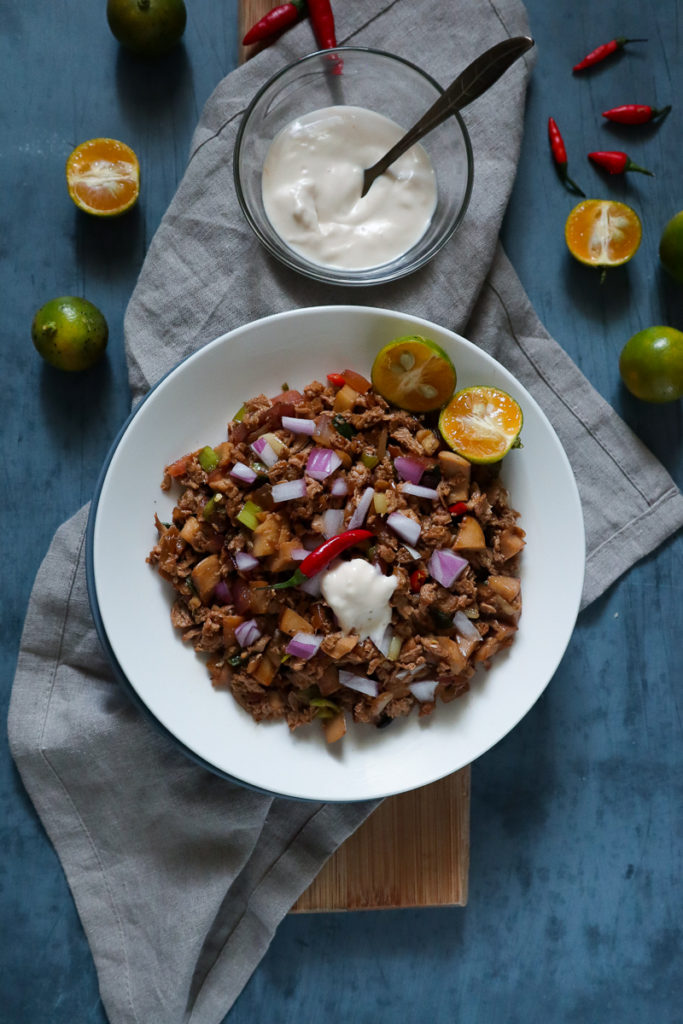
- Add green onions for garnish and serve with vegan mayonnaise as a condiment. Best eaten when freshly cooked and over a bed of rice OR with an ice cold beverage – preferrably carbonated for best pairing.
Notes
- Textured Vegetable Shreds – I used the VEGE SHREDS brand. If you live on Guam, you can find this at Happy Mart in Barrigada and Pay-Less Supermarkets with an organic section should also carry them.
- You may substitute vegetable shreds to soy curls, TVP, or even chopped tofu (chopped in the style as I’ve used in my Tofu Kelaguen recipe).
- Sisig is traditionally served on a sizzling plate with an egg on top or mayonnaise. Obviously, we are not using eggs in this recipe and not everyone owns a sizzling plate. When adding a tablespoon of vegan mayonnaise to serve, mix it in the sisig once you are ready to eat. This, however, is optional. You can totally disregard the mayonnaise.
