
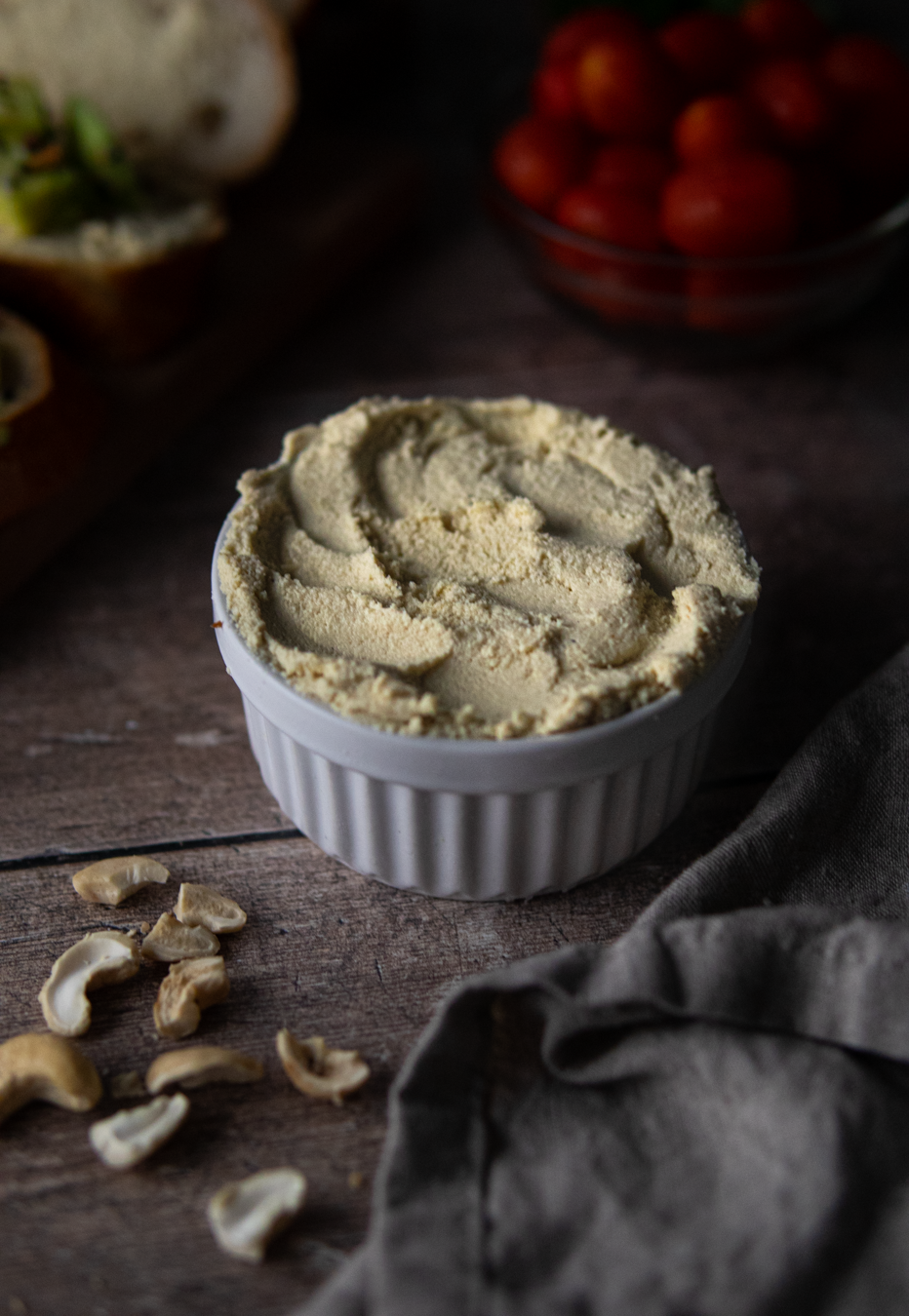
Alright, this recipe is going out to all the science-enthusiasts mixed with a passion for really good food. If you’ve been following me for a hot minute, you would know I have this fascination for fermentation.Let alone, a fascination for anything science related. Experimenting has been in my blood for the longest time, perhaps, since I could remember.
So, let’s talk cultured cheese! I’ve had my fair shares of fermentation; from great to the saltiest/tangiest fermentation experiment I have ever created. Vegan cultured cheese was always my fascination. Because, one, I’ve not had dairy in over 6-7 years and any great non-dairy cheese is a win for me. Two, cultured cheese sounds so sophisticated. It makes me feel high-end and so…cultured. In all seriousness, I am the type who would have something fermented on the side of anything. Got vegan hotdogs, side of relish or sauerkraut! Korean food? No worries, I got kimchi! Charcuterie board, let’s bring out the cultured cheese!
Again, I’m a probiotic, gut-health nerd. So let’s talk a little bit of science here shall we?
WHAT IS FERMENTATION?
Fermentation is a process where carbohydrate (or glucose) is converted into alcohol or organic acids through microorganisms – also known as yeast or bacteria. Contrary to popular beliefs that fermenting requires cheese cloths or “letting it air out”, converting glucose does not necessarily capture through the air (or environment) around us, fermentation occurs during anaerobic conditions. In short, you can enclose a jar of fermented goodies and it will totally be fine. Many great food and beverages are fermented in warm, dark places – beer, kimchi, pickled veggies, and cheese.
If these terms freaked you out, in short, fermentation is the process of allowing any type of ingredient sit in dark, warm places to allow acidity to happen. Depending on your environment and what you are fermenting, it may take days or less.
WHAT IS CULTURED CHEESE?
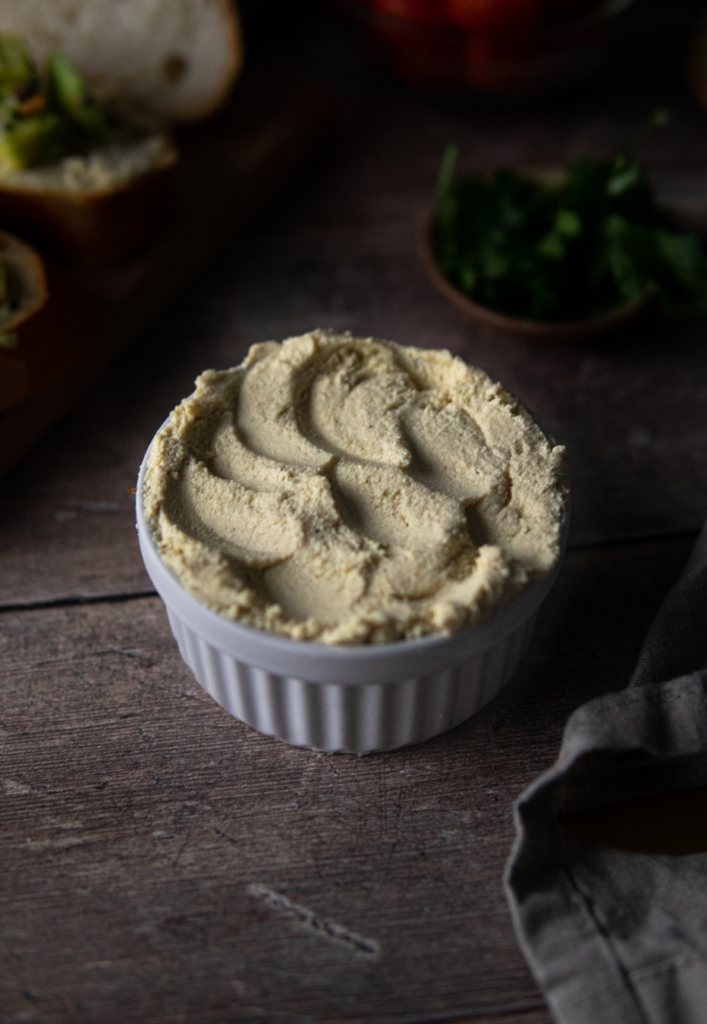
Cultured cheese is a type of cheese that has been fermented lactic acid bacteria, also known as live cultures found in probiotics. Compared to regular cheese, a non-dairy cultured cheese will provide many benefits such as a boost in immune system, provide good bacteria for a healthy gut, calcium, and an excellent source in vitamins. It is tangier in taste, therefore, it is much flavorful.
LET’S GET STARTED!
This is a less than ten-ingredient recipe, however it will require some steps (and some investments). Here is what you need before you get started:
- STERILIZE ALL EQUIPMENT – since we are working with bacteria, you will need to try your best to make sure no “bad” bacteria gets in the cheese.
- HIGH SPEED BLENDER – because we are working with “creaming” cashew nuts, you will need a high-powered blender otherwise texture will be gritty.
- RAW CASHEWS – Plain, raw unsalted cashews so that there are no existing flavors.
- PROBIOTICS – 50 billion CFU†. Any capsule will work just fine as long as it is vegan and does not contain gelatin or animal derived ingredients.
- WOODEN OR RUBBER SPOONS / SPATULA – You’d need to avoid metal utensils during the fermentation process. See notes in recipe*.
WHAT IS CFU†?
CFU† stands for colony forming units. CFU† is the amount of live bacteria found in a formula. Live bacteria, as mentioned earlier, is what enables a certain ingredient (or carbohydrate) to ferment. In each probiotic packaging, you will find the amount of CFU† it contains. A high amount of CFU† does not necessarily mean it is much potent, everyone is different. Find the right amount of bacteria for you, it will work on this recipe. I’ve listed 50 Billion CFU† for you to get similar results as I do but it’s necessary.
Give this recipe a try and if you like what you see, please help me by liking this recipe or adding a comment in the comment box down below. Subscribe to my mailing list for exclusive newsletters. Follow me on Instagram and don’t forget to tag me when you create the recipes.
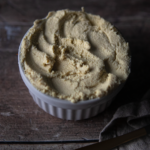
Vegan Cultured Cashew Cheese
Equipment
- 8-10oz jar with lid or glass container (preferably non-metal lids) *see notes
- High-Speed Blender or Food Processor
- rubber or wooden spatula
Ingredients
- 150 g (1 cup) raw cashew soaked overnight (or eight hours)
- 1 capsule 50 billion CFU† probiotic (see notes)
- 50 g (¼ cup) nutritional yeast
- 2 cloves (2 tsp) garlic
- ½ tbsp apple cider vinegar
- 60 g (4 tbsp) water
- ½ tsp lemon juice
- 1 tbsp extra virgin olive oil (optional)
- salt & pepper
Instructions
PREP WORK
- Prepare supplies and equipment. Sterilize by washing (or soaking) each in warm/hot water before starting the fermentation proccess.
- Soak cashews in water overnight or for at least eight hours to soften. If you are running short of time, boil cashews on stove top for at least forty-five (45) minutes.
MAKING THE CASHEW "CHEESE"
- Drain cashews from water.
- Drop cashews in blender/food processor. Pull one probiotic capsule apart to open and add capsule powder with cashews. Dispose the capsule cover as it will not be needed.
- Toss nutritional yeast, garlic, apple cider vinegar, water, lemon juice, and extra virgin olive oil into the blender/food processor. Season with a pinch of salt and pepper.
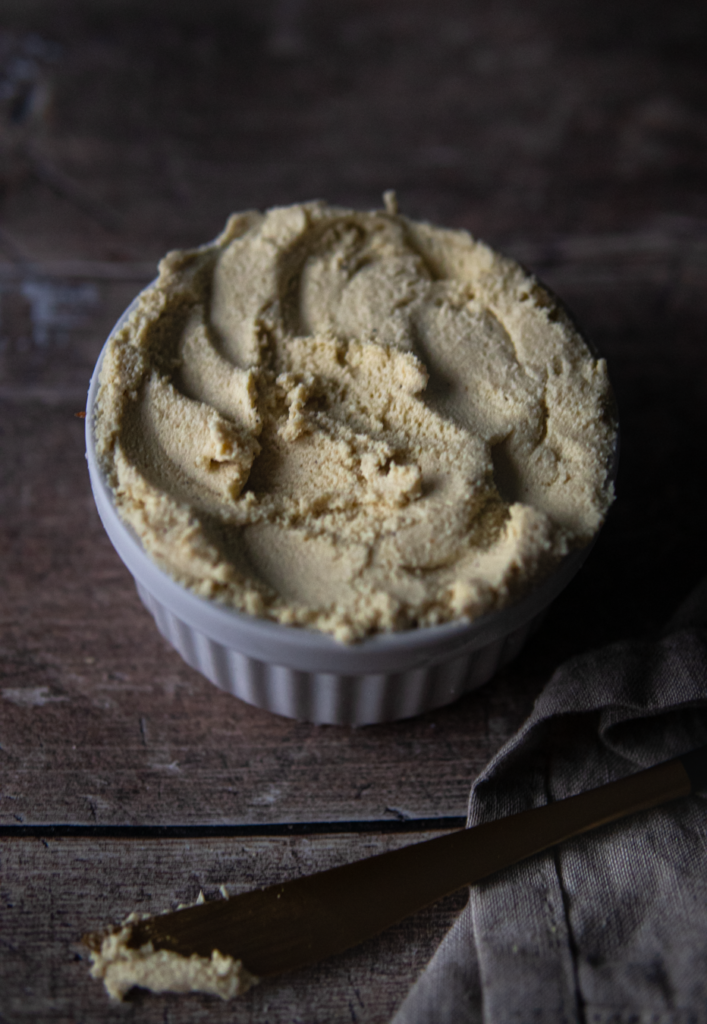
- Blend/process at high speed until consistency resembles ricotta cheese. Mix cashew "cheese" with spatula occasionally to ensure there are no chunks. Depending on how creamy/spreadable you'd like, you may add a tablespoon of liquid at a time.
- Season with salt & pepper to taste.
FERMENTATION PROCESS
- Prepare clean "vessel" such as a glass jar or container.
- Transfer cashew cheese into vessel, do not overfill. Enclose jar / container loosely but ensure cheese is covered to prevent any unwanted bacteria surfacing on the spread.
- Place in a warm/dark storage (preferably around 70-75°F room temperature) such as the pantry. Depending on how hot/warm your environment is, fermentation (waiting time) may take between 24-96 hours.
- Taste test after 24 hours with a clean wooden or rubber spatula/spoon until you reach the prefered "cheesiness" or tanginess. If it needs more time, add another 24 hours and store it accordingly.
TO SERVE
- Once cultured cheese has fully fermented to your liking, store into the fridge for at least two (2) hours to firm up.
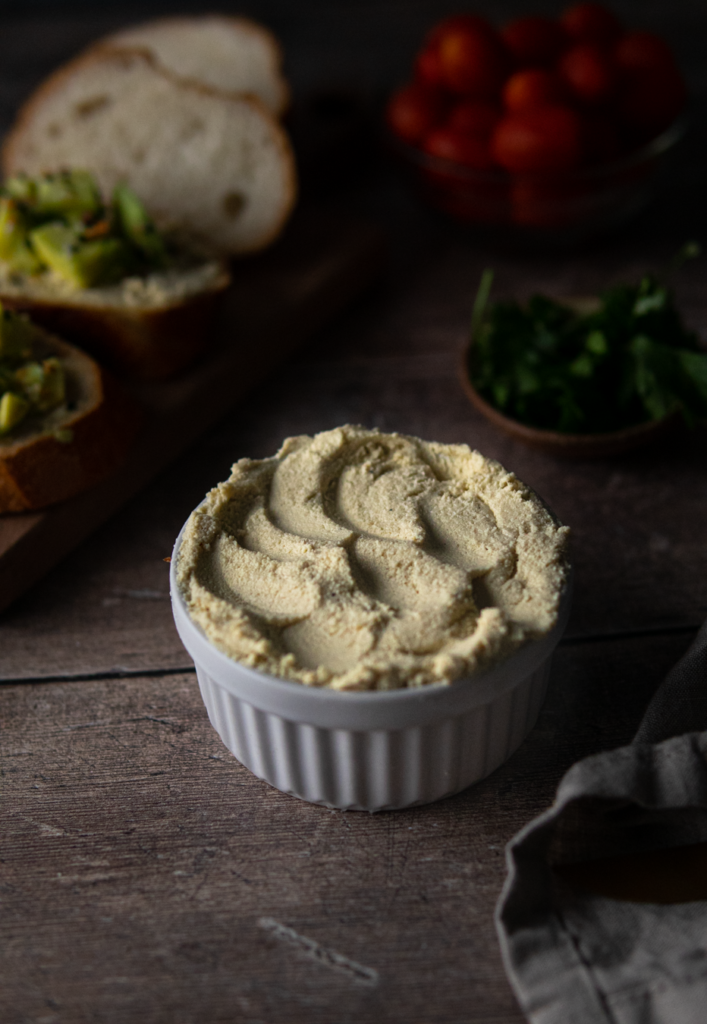
- Pair with complimentary toast, bagels, crackers, or snack platters.
Notes
- PROBIOTIC – I ordered my vegan probiotic on Vitacost. You may use any probiotic capsule as you wish just as long as it does not contain gelatin or animal derived ingredients.
- WHAT IS CFU† – stands for colony forming units or the amount of live bacteria found in a single capsule. Live bacteria is what will enable the cashew cheese to ferment and create the tangy flavor of cheese while it provides a great gut-health and immune system support.
- WHY TO AVOID METAL CONTAINERS AND UTENSILS – Metal may contain unwanted bacteria and cause poisoning due to the acidity level of the recipe. Metal is also prone to rust and is not suggested with fermentation. Any form of metal, cast iron, copper, or aluminum is to be avoided to avoid any metallic taste or risk of food poisoning.
- CAN I USE ANYTHING OTHER THAN PROBIOTIC CAPSULE? Preferably no, as it may alter the taste. There are alternatives but I will not be recommending it for this recipe.
